
 Image 1 of 1
It is a native perennial, cool season grass prized for its soft textures and ability to thrive in shaded environments.
Key Characteristics
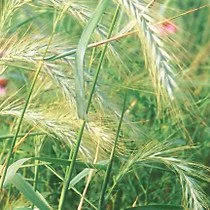
Appearance: This clump-forming bunchgrass grows 2 to 4 feet tall. It features dark green, arching leaves and distinctive nodding, bristly seed heads that resemble agricultural rye.
Texture: True to its name, it has softly hairy (pubescent) stems, leaf sheaths, and upper leaf surfaces that feel silky to the touch.
Growth Cycle: It is most active during the spring and fall when temperatures are cool, typically blooming from June to July.
Habitat & Growing Conditions
Sun & Soil: It is highly shade-tolerant, making it ideal for woodland gardens, savannas, and shaded riverbanks. It prefers moist to mesic loamy soils but can adapt to dry-mesic conditions and various soil types like clay or sand.
Restoration: Often used for erosion control and woodland restoration because it establishes quickly in young plantings to stabilize soil.
Landscaping: Its shimmering seed heads add visual interest through winter if left standing, taking on a warm golden hue in the fall.
It is a native perennial, cool season grass prized for its soft textures and ability to thrive in shaded environments.
Key Characteristics
Appearance: This clump-forming bunchgrass grows 2 to 4 feet tall. It features dark green, arching leaves and distinctive nodding, bristly seed heads that resemble agricultural rye.
Texture: True to its name, it has softly hairy (pubescent) stems, leaf sheaths, and upper leaf surfaces that feel silky to the touch.
Growth Cycle: It is most active during the spring and fall when temperatures are cool, typically blooming from June to July.
Habitat & Growing Conditions
Sun & Soil: It is highly shade-tolerant, making it ideal for woodland gardens, savannas, and shaded riverbanks. It prefers moist to mesic loamy soils but can adapt to dry-mesic conditions and various soil types like clay or sand.
Restoration: Often used for erosion control and woodland restoration because it establishes quickly in young plantings to stabilize soil.
Landscaping: Its shimmering seed heads add visual interest through winter if left standing, taking on a warm golden hue in the fall.