
 Image 1 of 1
Description and Features
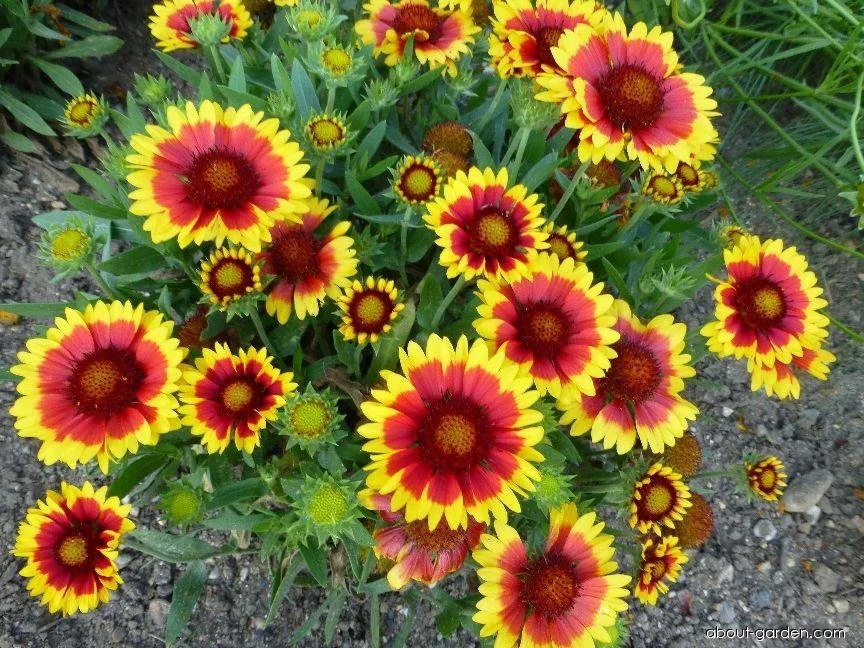
Appearance: The plant features showy, daisy-like flower heads, typically 3 to 4 inches in diameter. The flowers have a central disk of brownish-purple disk florets surrounded by lance-shaped ray florets that are yellow, often with red or orange at the base. The entire plant is covered with fine, bristly hairs.
Size: It typically grows in clumps, reaching a height of 1 to 3 feet.
Attracts Pollinators: The flowers are a significant nectar source, attracting a variety of pollinators, including bees, butterflies, and the seed heads attract birds like goldfinches.
Deer & Rabbit Resistant: Its coarse texture and aromatic foliage generally deter deer and rabbits.
Growing Conditions and Care
Sunlight: Requires full sun (at least 6 hours of direct sunlight per day) for optimal flowering. In too much shade, plants may become leggy and flower poorly.
Soil: The most crucial factor is well-draining soil. It tolerates poor, sandy, or rocky soils and performs poorly in heavy clay or overly wet conditions, which can lead to root rot.
Watering: Water regularly until the plant is established. Once established, it is highly drought-tolerant and requires minimal supplemental watering, only during extended dry spells.
Fertilizing: It generally does not need fertilizer. Overly fertile soil can promote excessive foliage growth at the expense of flowers.
Maintenance: Deadheading spent flowers is not mandatory but helps prolong the bloom time, which can last from late spring until the first frost. In the fall or early spring, you can cut back spent stems to tidy the plant.
Description and Features
Appearance: The plant features showy, daisy-like flower heads, typically 3 to 4 inches in diameter. The flowers have a central disk of brownish-purple disk florets surrounded by lance-shaped ray florets that are yellow, often with red or orange at the base. The entire plant is covered with fine, bristly hairs.
Size: It typically grows in clumps, reaching a height of 1 to 3 feet.
Attracts Pollinators: The flowers are a significant nectar source, attracting a variety of pollinators, including bees, butterflies, and the seed heads attract birds like goldfinches.
Deer & Rabbit Resistant: Its coarse texture and aromatic foliage generally deter deer and rabbits.
Growing Conditions and Care
Sunlight: Requires full sun (at least 6 hours of direct sunlight per day) for optimal flowering. In too much shade, plants may become leggy and flower poorly.
Soil: The most crucial factor is well-draining soil. It tolerates poor, sandy, or rocky soils and performs poorly in heavy clay or overly wet conditions, which can lead to root rot.
Watering: Water regularly until the plant is established. Once established, it is highly drought-tolerant and requires minimal supplemental watering, only during extended dry spells.
Fertilizing: It generally does not need fertilizer. Overly fertile soil can promote excessive foliage growth at the expense of flowers.
Maintenance: Deadheading spent flowers is not mandatory but helps prolong the bloom time, which can last from late spring until the first frost. In the fall or early spring, you can cut back spent stems to tidy the plant.